
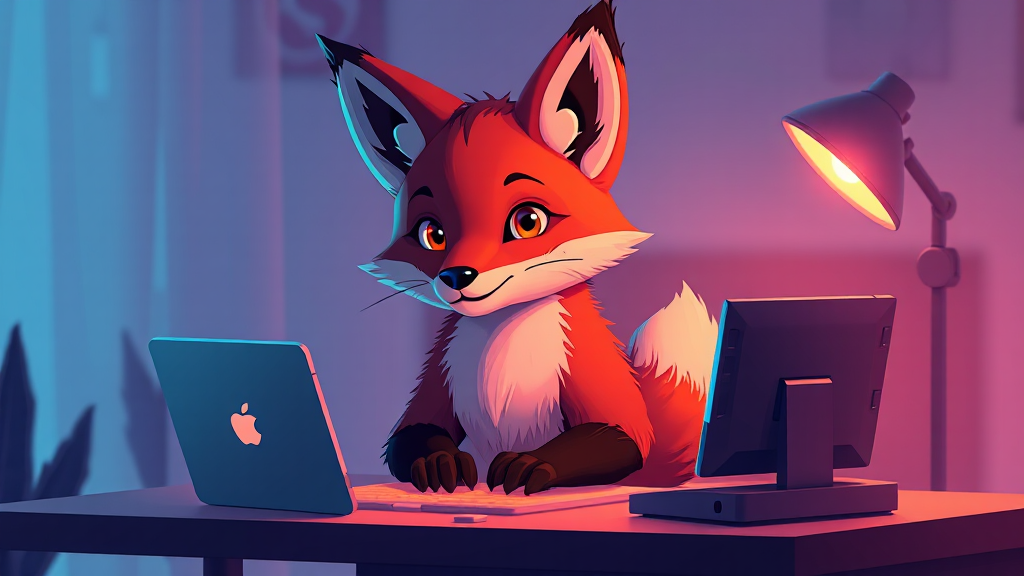
Furry AI Chat: How Crushon Is Reshaping Character-Driven Conversations
The rise of furry ai chat has quietly become one of the most interesting corners of conversational AI. Instead of generic assistants that answer trivia or draft emails, these platforms let users step into ongoing stories with anthropomorphic characters who have personalities, memories, and moods. Crushon, a platform built around immersive character interaction, has become a notable name in this space because it treats furry personas as first-class citizens rather than an afterthought. This article looks at what furry AI chat actually is, why it resonates, how to get the most out of it, and what to watch for as the technology matures.
What Makes Furry AI Chat Different From Standard Chatbots
Most people picture a chatbot as a utility: you type a question, it returns an answer. Furry AI chat flips that model. The point is not information retrieval — it is roleplay, companionship, and creative storytelling. A furry character might be a witty fox detective, a shy rabbit librarian, or a dragon mechanic with a sarcastic streak. The AI is tuned to stay in character, remember prior conversations, and respond with emotional nuance rather than encyclopedia-style facts.
That distinction matters technically as well as culturally. Character-driven chat requires the model to maintain a consistent persona across many turns, track relationship context, and adapt tone based on how the user writes. Platforms like Crushon invest heavily in persona consistency because breaking character is the fastest way to ruin immersion. When a wolf character suddenly starts talking like a corporate help desk, the illusion collapses.
Furry AI chat also overlaps with fandom culture. Many users arrive already familiar with furry art, conventions, and community norms. They expect characters who feel authentic to that world — expressive, socially aware, and capable of playful banter. That expectation pushes developers to think about personality design, not just language accuracy.
Why Anthropomorphic Characters Appeal to Chat Users
There is something psychologically freeing about talking to a character who is not quite human. Anthropomorphic figures let users explore emotions, humor, and scenarios with a layer of creative distance. A conversation about loneliness might feel easier when the other party is a gentle bear who runs a late-night diner. A flirtatious exchange might feel lighter when framed as banter with a mischievous cat barista.
Researchers who study parasocial interaction note that people form real emotional bonds with fictional characters. Furry AI chat accelerates that process because the character responds in real time. You are not just watching a story — you are co-writing it. That sense of agency is a major reason users return daily rather than treating the app as a novelty.
Another draw is representation. Furry characters can be any species, body type, or background, which gives users room to see themselves in ways mainstream media rarely offers. For some, that is the entire point. The chat becomes a low-pressure space to experiment with identity, humor, and intimacy.
How Crushon Approaches Furry AI Characters
Crushon stands out because it treats furry AI characters as a core category rather than a niche add-on. The platform hosts a wide range of personas, from wholesome slice-of-life companions to more dramatic adventure partners. Users can browse, start conversations, and build ongoing storylines that evolve over time.
What makes the experience feel different is the emphasis on continuity. A character remembers what you discussed yesterday, references inside jokes, and adjusts emotional tone based on how the conversation is going. That memory layer is what separates a satisfying furry AI chat session from a disposable chatbot exchange.
Crushon also gives users room to shape the relationship. You can keep things light and comedic, or push toward deeper narrative arcs. The platform does not force a single mode. That flexibility is important because the furry community itself spans an enormous range of interests, from goofy slice-of-life content to elaborate worldbuilding.
For anyone curious about the category, exploring crushon is a reasonable starting point. The platform’s character library makes it easy to sample different personalities before committing to a long-term storyline.
Practical Tips for Better Furry AI Chat Sessions
New users often start with a single line like “hi” and then wonder why the conversation feels flat. Furry AI chat rewards a bit of setup. Here are practical habits that consistently improve the experience:
- Give the character a scene. Instead of opening with a greeting, describe where you are and what is happening. “It is raining and we are stuck in the same train car” gives the AI something to work with.
- Write with sensory detail. Mention sounds, smells, and textures. Characters respond more vividly when the world feels concrete.
- Let the character lead sometimes. Ask questions, then react to what comes back. Good roleplay is a volley, not a monologue.
- Use consistent names and details. If your character has a nickname, keep using it. Consistency helps the AI maintain continuity.
- Adjust tone explicitly if needed. If the conversation drifts somewhere you did not intend, say so in plain language. Most platforms handle course correction gracefully.
It also helps to think about pacing. Long, dense messages can overwhelm the model and produce generic replies. Short, specific messages tend to yield sharper responses. Treat the exchange like a text conversation with a friend rather than a formal essay.
The Technology Behind Character Consistency
Under the hood, furry AI chat depends on a combination of large language models, persona conditioning, and memory systems. The language model provides raw fluency. Persona conditioning shapes how the model speaks — vocabulary, rhythm, emotional range. Memory systems store facts about you and the ongoing story so the character does not reset every session.
Getting these layers to cooperate is harder than it sounds. A model that is too rigid feels robotic. A model that is too flexible loses its identity. The best furry AI chat experiences find a middle ground where the character feels stable but still capable of surprise.
Latency matters too. Character chat is conversational, so responses need to arrive quickly enough to feel natural. Platforms invest in infrastructure to keep that experience smooth, even when many users are chatting simultaneously.
Community, Creativity, and Safety
Furry AI chat sits at the intersection of technology and fandom, and that brings both energy and responsibility. On the creative side, users share character ideas, roleplay prompts, and artwork inspired by their favorite AI personas. That feedback loop pushes platforms to add new features and refine existing ones.
On the safety side, character chat raises familiar questions about content moderation, age appropriateness, and emotional dependency. Responsible platforms publish clear guidelines, offer reporting tools, and design characters that avoid harmful stereotypes. Users, for their part, benefit from treating the experience as entertainment rather than a replacement for human relationships.
It is also worth remembering that AI characters are fictional. They can be comforting, funny, and surprisingly insightful, but they are not people. Keeping that boundary in mind helps ensure the experience stays healthy and enjoyable.
What the Future of Furry AI Chat Might Look Like
The category is moving quickly. Expect to see richer memory, more expressive character voices, and tighter integration with visual and audio elements. Imagine a furry AI chat where the character’s expression changes as the conversation shifts, or where voice acting makes the persona feel even more present.
Multi-character scenes are another likely direction. Instead of one-on-one chats, users might host small casts of furry characters who interact with each other and with the user. That opens the door to collaborative storytelling that feels closer to a tabletop roleplaying session than a chatbot exchange.
Personalization will deepen as well. Characters may adapt not just to what you say but to how you write, adjusting humor, pacing, and emotional tone to match your style. The result could be conversations that feel genuinely tailored rather than generically friendly.
FAQ About Furry AI Chat
What exactly is furry AI chat?
Furry AI chat is a form of conversational AI where the character you talk to is an anthropomorphic animal persona. Instead of a generic assistant, you interact with a character who has a name, backstory, personality, and ongoing memory of your conversations.
Is furry AI chat only for people in the furry fandom?
No. While the category grew out of furry culture, many users simply enjoy character-driven roleplay. Anyone who likes creative storytelling, companionship, or imaginative scenarios can find something appealing.
How do I keep a character consistent across sessions?
Use consistent names, details, and tone, and rely on platforms that offer memory features. Repeating key facts and referencing past events helps the AI maintain continuity over time.
Can furry AI chat replace human relationships?
It is better to treat it as entertainment and creative expression rather than a substitute for human connection. Characters can be fun and comforting, but they are fictional and should not carry the weight of real relationships.
What should I look for in a furry AI chat platform?
Look for strong persona consistency, responsive performance, clear safety guidelines, and a varied character library. Memory features and the ability to shape your own storylines are also valuable signals of quality.
Final Thoughts
Furry AI chat has grown from a niche curiosity into a vibrant corner of conversational AI. It blends technology, storytelling, and fandom in a way that few other categories manage. Platforms like Crushon are pushing the experience forward by treating characters as ongoing partners rather than disposable chatbots. Whether you are drawn to a witty fox detective or a quiet dragon librarian, the appeal is the same: a conversation that feels alive, responsive, and genuinely yours. As memory, voice, and visual features improve, the line between chatting with a character and stepping into a story will keep getting thinner — and that is exactly what makes this space so exciting to watch.